Marketing teams
Campaigns often stall when every concept needs a separate photoshoot. OpenArt AI helps a small team test several art directions, formats, and visual hooks before production begins.
OpenArt AI for creatorsA new way to make the idea in your head visible.
Use cases / visual production
These openart ai examples show how creators move from a rough brief to polished visuals without losing control of the concept. See practical examples for campaigns, characters, stories, and everyday content production.
Campaigns often stall when every concept needs a separate photoshoot. OpenArt AI helps a small team test several art directions, formats, and visual hooks before production begins.
OpenArt AI for creatorsWriters and directors need a visual language before a full storyboard exists. Generate setting references, mood frames, and recurring motifs to make an early idea easier to share.
OpenArt AI world builderCharacter concepts can drift between sketches and revisions. A repeatable prompt structure makes it easier to explore wardrobe, pose, expression, and lighting while keeping the identity recognizable.
OpenArt AI character designDaily posts need a steady stream of fresh visuals. Use one idea as a source for portraits, thumbnails, vertical scenes, and branded variations instead of starting from a blank canvas each time.
OpenArt AI promptsFrom brief to revision
The strongest openart ai examples are not lucky one-click generations. They come from a short loop: define the visual goal, create a focused first pass, then revise only the variables that matter.
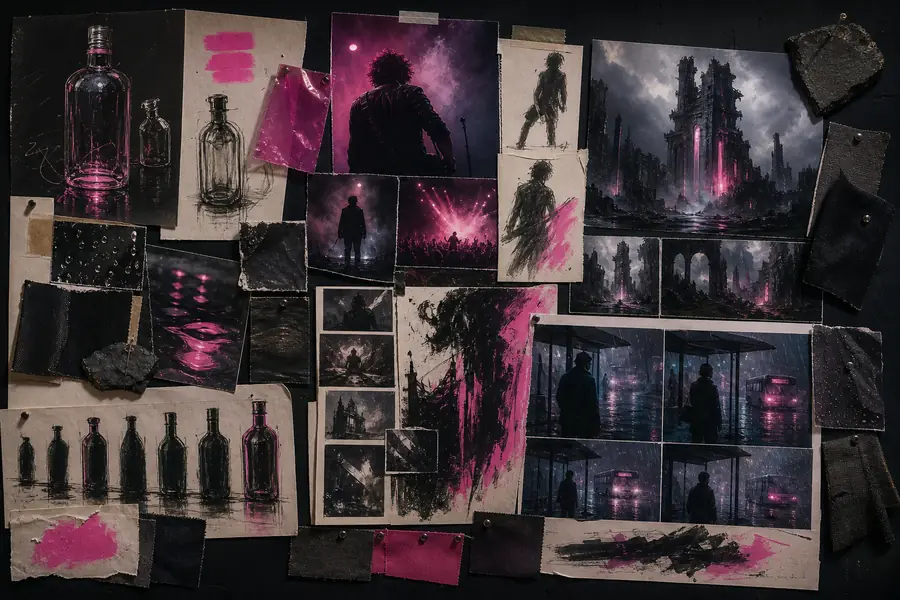
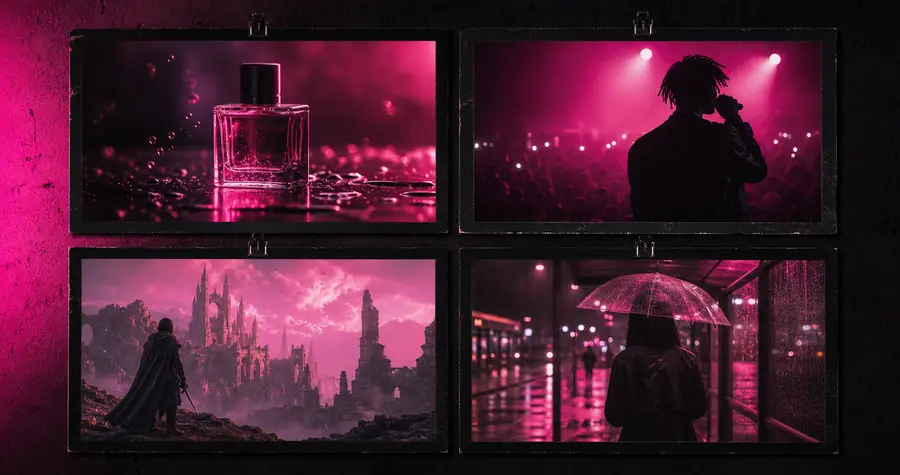
Workflow one turns a written concept into a visual reference. Workflow two creates a small batch of related images for selection. Workflow three edits the chosen frame for a new crop, mood, or channel. For a more detailed starting sequence, see how to use OpenArt AI.
What the format can deliver
Across these openart ai examples, the goal is not to replace judgment. It is to create enough useful material that a person can choose, refine, combine, and publish with confidence.
For example, a product launch can begin with a clean hero image, expand into lifestyle scenes, and finish with cropped variations for email, social, and landing-page modules. A fantasy project can use the same process to establish a location, define a character, and build several moments around them. Browse the OpenArt AI image generator guide when the deliverable is primarily still imagery, or compare it with OpenArt AI animate video when motion is part of the brief.
Review before release
Good openart ai examples also show where human review belongs. Treat generated material as a draft until you have checked rights, accuracy, brand fit, and the expectations of the platform where it will appear.
Questions creators ask
Start with a contained brief such as a poster concept, product moodboard, character sheet, or social thumbnail. These projects make it easy to compare versions and learn which prompt details change the result.
It can support character consistency, especially when you reuse a clear description, visual traits, pose references, and a controlled workflow. Expect to curate and revise rather than accept every generation as final.
Safety depends on the prompt, references, output, intended use, and the rules that apply to your project. Review rights and platform policies, remove misleading details, and secure human approval before publishing.
Change one variable at a time: composition, lens, lighting, color, wardrobe, or environment. Keeping the rest of the brief stable makes useful differences easier to spot and repeat.