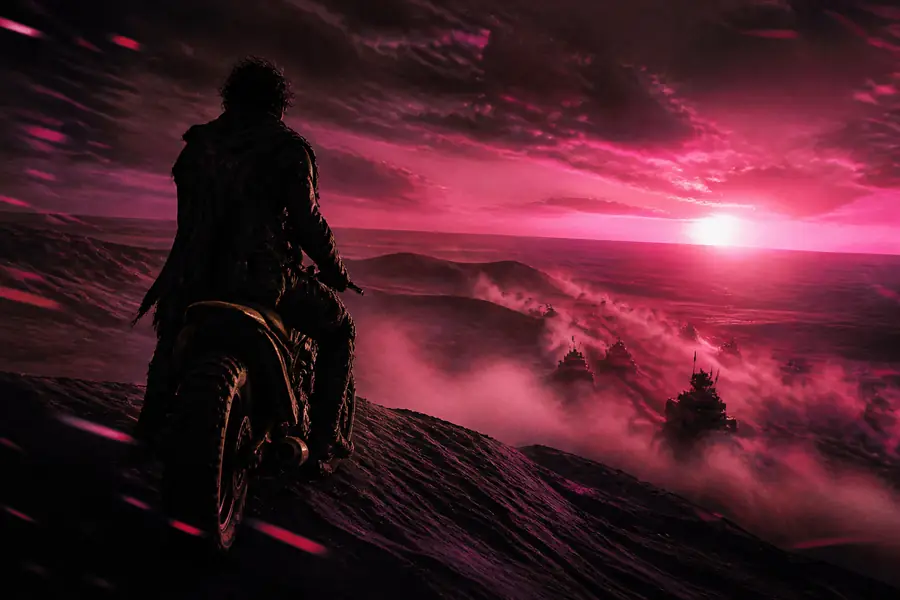
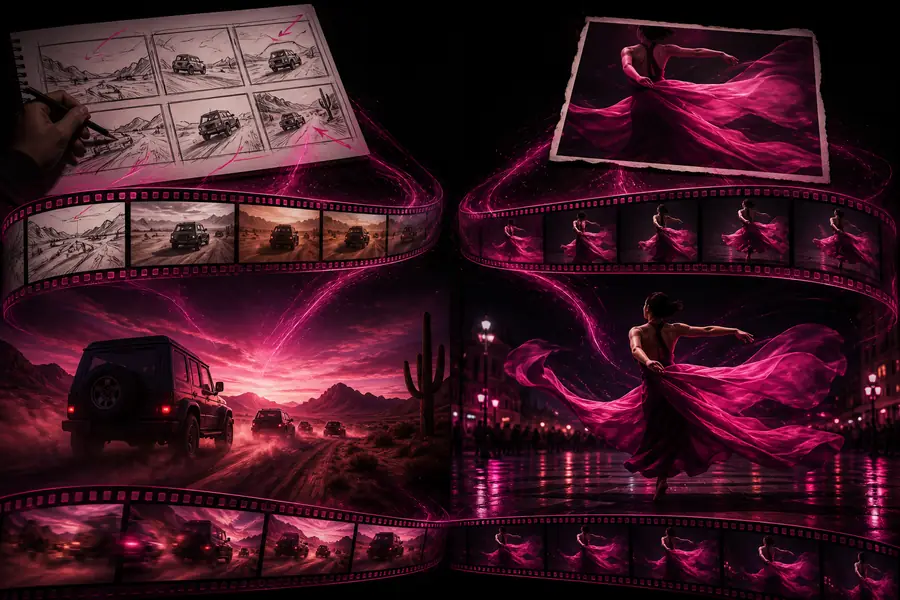
Bring a still concept to life with guided motion, camera direction, and prompt-based iteration. OpenArt AI gives creators a practical video generator workflow for turning visual ideas into short, shareable scenes.
OpenArt AI is useful when a finished image is only the beginning. The OpenArt AI video generator can help you test movement, atmosphere, pacing, and visual continuity without opening a complex editing suite. Start with a prompt or image, describe the action, and refine the result until the clip supports the story.
Begin with a generated image, an upload, or a visual direction that already captures your subject and mood.
Describe the motion
Tell OpenArt AI what should move, how the camera should behave, and whether the scene should feel calm, cinematic, or energetic.
Review and refine
Compare variations, adjust the prompt, and keep the strongest take for a social post, pitch, storyboard, or concept reel.
What the workflow handles
Three motion mechanisms, one creative loop
The best results come from giving the video generator a clear visual anchor and one dominant movement idea. These three mechanisms make OpenArt AI easier to direct.
Image to motion
Use a strong still as the visual foundation, then add subtle subject movement, environmental motion, or a controlled camera push. This is a natural next step after exploring an openart ai image generator workflow.
Describe a short action such as fabric drifting, a character turning, or light passing across a room. Focused instructions help OpenArt AI preserve the main composition while the video generator adds motion.
Shape the feeling of a clip with words for speed, lighting, lens behavior, weather, and energy. If the source frame needs cleanup first, pair this process with openart ai edit image techniques.
Generate several short moments around the same concept and select the takes that belong together. For a broader motion workflow, compare the related openart ai animate video route.
Treat OpenArt AI as a fast visual sketchbook rather than a one-click replacement for editing. A focused sequence usually produces cleaner, more usable video generator outputs.
First, define the subject and the intended format. A portrait, product detail, landscape, or character close-up each benefits from a different motion direction. Next, select a source frame with a readable silhouette and enough visual separation between the subject and background. The video generator has a clearer foundation when the image is not overcrowded.
Then write one primary movement instruction. “A dancer slowly turns toward the window as curtains move in the breeze” is more useful than listing ten unrelated actions. Add camera language only when it matters: slow push-in, gentle orbit, handheld drift, or locked frame. OpenArt AI can then focus its motion budget on the important part of the scene.
Finally, review several variations. Look for unwanted warping, unstable hands, flickering details, or movement that changes the subject's identity. Keep the strongest clip, simplify the prompt when necessary, and use the result as a polished short, a storyboard reference, or the opening shot for a larger edit.
Set the right expectations
Limits and edges
A capable video generator still works best when the brief is short, the source is clear, and the clip has one obvious visual purpose.
Before · still conceptAfter · motion study
The transformation is strongest when the subject, framing, and lighting are already coherent. OpenArt AI may need several attempts for complex interactions, fast camera moves, tiny details, or scenes with multiple people.
Short clips are generally easier to direct than long continuous narratives. Consistency can also drift between generations, especially when a character changes pose or the camera moves aggressively. Use a stable reference, reduce competing instructions, and consider building a sequence from several controlled shots rather than asking the video generator to solve an entire story at once.
Quick answers
OpenArt AI video generator FAQ
1clear motion idea per prompt
3+variations worth comparing
短short clips are easier to refine
What is the OpenArt AI video generator used for?
It is used to turn prompts or still images into short animated scenes. Creators can explore camera movement, subject motion, atmosphere, and visual ideas before committing to a larger production.
Can OpenArt AI animate an existing image?
Yes. A coherent source image can provide the composition, subject, and lighting while the video generator adds a described movement. Results improve when the requested action is simple and visually specific.
How do I write a better video prompt?
State the subject, the single main action, the camera behavior, and the mood. Avoid stacking many unrelated movements. Short prompts with clear priorities are easier for OpenArt AI to interpret and refine.
Why can an AI-generated clip look unstable?
Fast motion, crowded scenes, delicate details, and large pose changes can cause flicker or shape drift. Try a cleaner frame, slower movement, fewer subjects, or several shorter shots assembled during editing.